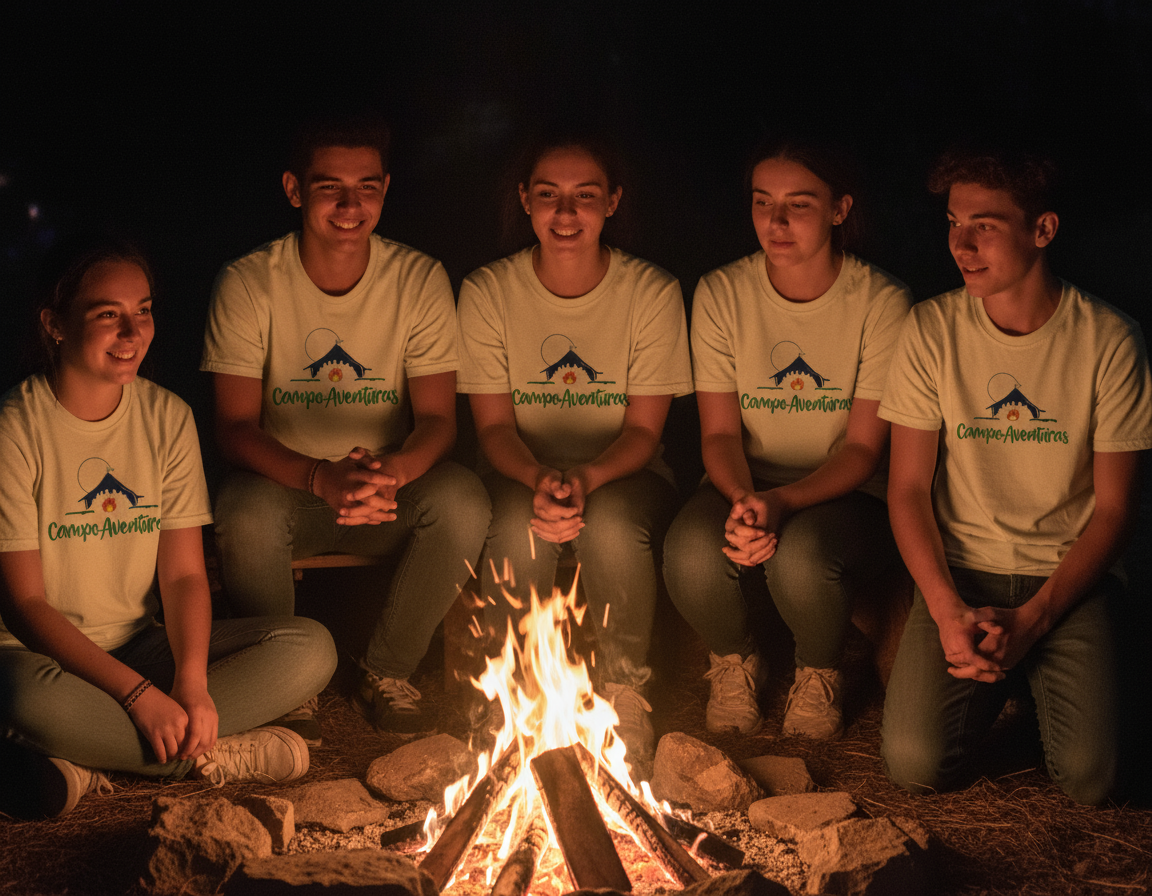
By: CampoAventuras Editorial Team
Why Are Islands Unique Learning Environments?
After two years researching successful camps across Latin America, we identified a consistent pattern: camps located on Caribbean islands achieve deeper and longer-lasting transformations than their urban or continental counterparts.
It's no coincidence. There is science behind why CampoAventuras chose Isla Tierra Bomba as its main campus.
The Pedagogical Advantages of Islands
- Real digital disconnection: Without constant mobile coverage, young people are forced to interact face to face
- Unavoidable community: On an island, there is no social escape. You learn to coexist — or you don't
- Nature as a constant teacher: The sea teaches humility; reefs teach ecosystem fragility
- Forced self-sufficiency: Resources are limited, so conscious management is learned
The CampoAventuras Model: Biodiversity + Values
Our approach at Isla Tierra Bomba combines three fundamental pillars:
🌊 Environmental Education
- ✅ Real-time identification of marine species
- ✅ Active conservation of coral reefs
- ✅ Collection and analysis of marine debris
- ✅ Monitoring of endemic marine fauna
🤝 Social Development
- ✅ Living alongside island communities
- ✅ Cultural exchange with local fishermen
- ✅ Shared Caribbean gastronomy
- ✅ Oral histories and traditions
💪 Personal Development
- ✅ Overcoming fears (water, darkness)
- ✅ Teamwork under pressure
- ✅ Autonomous decision-making
- ✅ Managing limited resources
Purposeful Activities: Not Just Entertainment
Every aquatic activity at CampoAventuras has specific pedagogical objectives:
It's not just swimming with a mask. It's a structured scientific experience:
- Taxonomic identification: Participants learn to identify species using scientific guides
- Reef health assessment: They detect signs of coral bleaching
- Photographic record: They document biodiversity for later analysis
- Ecological reflection: They connect human impact to ecosystem health
It's not just paddling. It's leadership and communication under pressure:
- Mandatory synchronization: If one person paddles wrong, the kayak turns (immediate consequence)
- Communication without shouting: Non-verbal signals are learned for coordination
- Conflict management: When disagreements arise, they must be resolved without stopping
- Strategic navigation: Routes planned considering currents and fatigue
It's not just sleeping outside. It's self-sufficiency and resource management:
- Camp setup: Following safety protocols without constant adult guidance
- Food preparation: With limited resources, they learn not to waste
- Night watches: Shared group responsibility
- Astronomical observation: Navigation using stars (applied science)
Integration with Island Communities: Beyond Tourism
Unlike traditional tourism where visitors only observe, at CampoAventuras participants live alongside and exchange with local communities.
📚 Cultural Exchange Programme
What campers contribute:
- Technology workshops for island children
- Support for local school projects
- Exchange of urban vs coastal experiences
- Audiovisual documentation of traditions
What the communities teach:
- Ancestral sustainable fishing techniques
- Traditional Caribbean gastronomy
- Oral stories of the Colombian Caribbean
- Values of community solidarity
"A young person who shares food with island fishermen, listens to their stories and understands their daily challenges will never see the world the same way. Their empathy expanded from theoretical to experiential."
Why Marine Biodiversity Transforms Mindsets
The Colombian Caribbean holds 10% of the world's coral reefs. This exceptional biodiversity enables educational experiences impossible in other settings:
| Ecosystem | Emblematic Species | Pedagogical Lesson |
|---|---|---|
| Coral Reefs | Brain coral, elkhorn coral, parrotfish | Ecosystem interdependence, environmental fragility |
| Mangroves | Oysters, blue crabs, herons | Importance of "marine nurseries", mangrove function |
| Seagrass Meadows | Sea turtles, sea urchins, starfish | Food chains, role of marine herbivores |
| Coastal Dry Tropical Forest | Iguanas, howler monkeys, endemic birds | Adaptation to extreme conditions, terrestrial biodiversity |
⚠️ The Key Pedagogical Moment
During snorkeling, participants find plastic in the reefs. This direct visual confrontation has more impact than a thousand lectures on pollution:
- They see a fish trying to eat plastic thinking it is food
- They extract bags trapped in coral that are damaging the organism
- They document micro-plastics in "pristine" areas
Result: These young people will never use single-use plastic again without thinking about that fish. Their consumption behaviour changed.
Serious Certifications: Not Simulations, Real Credentials
At CampoAventuras we don't play at doing activities. We certify real competencies that participants can use for the rest of their lives:
🏊 Aquatic Certifications
- ✅ Open Water Diver (PADI): International diving certification
- ✅ Kayak Level 1: Basic paddling and rescue techniques
- ✅ Aquatic First Aid: CPR and emergency management
🌿 Environmental Certifications
- ✅ Citizen Scientist (Reef Check): Reef monitoring
- ✅ Leave No Trace Trainer: Minimum impact principles
- ✅ Coastal Clean-up Certified: Debris collection and classification
💡 These are not decorative diplomas. They are internationally recognised credentials that open academic and professional doors.
The Future of Camps in Colombia
Colombia has exceptional potential for world-class camps without sending young people abroad. Our competitive advantages:
Unique Biodiversity
Second most biodiverse country on the planet, with unique ecosystems
Cultural Wealth
World Heritage Site in Cartagena, living ancestral cultures
Geographic Diversity
From jungle to beach in hours, from páramo to desert in one country
Our Commitment at CampoAventuras
Inspired by the potential of the Colombian Caribbean, we commit to:
✅ Activities with pedagogical purpose
✅ International certifications
✅ Certified professional safety
✅ Positive environmental impact
The Caribbean islands are not just a destination. They are a classroom without walls where nature teaches the most important lessons in life.
This article is part of our series "Experiential Education in Unique Contexts", where we explore why the physical environment enhances or limits the transformation of young people.